• 125/4 Kanithi Pedagantyada, Visakhapatnam , Pin530044
  • +91 9676363438
    visakhafrozen@gmail.com

Subtotal: ₹0.00

View Cart Checkout
H3 About Image 01 H3 About Image 02
Company Overview

About Visakha Frozen Foods

Frozen foods are foods that have been preserved by freezing to maintain their freshness, flavor, and nutritional value over time. Freezing helps to slow down the growth of bacteria, yeast, and molds, which can spoil food. Frozen foods are convenient, widely available, and come in a variety of forms, ranging from complete meals to individual ingredients.

  • Chicken, Mutton, Fish

  • Prawns Buffalo

Types of Frozen Foods

  1. Frozen Meals: These are ready-to-eat meals that only require reheating, such as frozen pizzas, microwaveable dinners, or frozen entrees like lasagna or stir-fries.

  2. Frozen Vegetables: Many vegetables, such as peas, corn, spinach, and carrots, are frozen shortly after harvesting to preserve their nutrients and flavor.

  3. Frozen Fruits: Berries, mangoes, pineapples, and other fruits are frozen at their peak ripeness and can be used in smoothies, desserts, or as snacks.

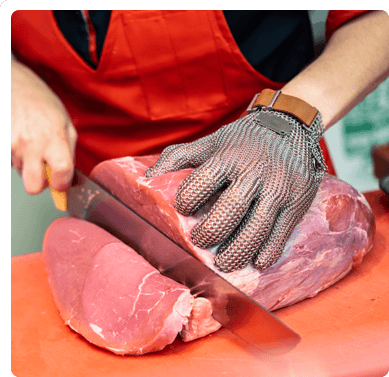
  4. Frozen Meat and Fish: Various meats like chicken, beef, and pork, as well as fish and seafood, can be found frozen to extend shelf life.

  5. Frozen Snacks: Items like french fries, chicken nuggets, and frozen appetizers (e.g., spring rolls, samosas) fall into this category.

  6. Frozen Baked Goods: Many bakeries offer frozen pastries, bread, and dough for convenience, such as frozen croissants or frozen pizza dough.

  7. Frozen Desserts: Ice cream, frozen yogurt, and other frozen sweets are a popular category of frozen food.

  8. Frozen Soups and Sauces: Some homemade or pre-packaged soups and sauces can be found frozen to make it easy to reheat them later.

Benefits of Frozen Foods

  • Convenience: Frozen foods are ready to use with minimal preparation and cooking time.
  • Long Shelf Life: Properly stored frozen foods can last for months, reducing food waste.
  • Nutrient Preservation: Freezing can preserve the nutrients in foods, especially if they are frozen quickly after harvest or production.
  • Cost-Effective: Frozen foods can often be less expensive than fresh items, especially for out-of-season or hard-to-find products.

Tips for Buying and Storing Frozen Foods

  • Check the Packaging: Make sure the food is securely sealed to avoid freezer burn.
  • Proper Storage: Keep the freezer at 0°F (-18°C) to maintain the quality of frozen foods.
  • Use by Date: While frozen foods have a long shelf life, it’s still good practice to check expiration dates or “best by” recommendations.

Frozen foods are a versatile, affordable option for busy households or anyone looking to extend the shelf life of their groceries.